

Hey there! I'm a supplier of pharynx models, and I've been getting a lot of questions lately about what materials are commonly used to make these models. So, I thought I'd write a blog post to share some insights on this topic.
Silicone
Silicone is one of the most popular materials for making pharynx models. It's flexible, durable, and has a realistic feel. When you touch a silicone pharynx model, it kind of mimics the texture and softness of a real human pharynx. This is super important for medical training purposes. For example, medical students can practice procedures like intubation on a silicone pharynx model. It allows them to get a hands - on experience that closely resembles what they'll encounter in a real clinical setting.
Silicone is also resistant to tearing and can withstand repeated use. This makes it cost - effective in the long run, as you don't have to replace the model frequently. Plus, it's relatively easy to clean. You can use mild soap and water to keep it hygienic. Many of the Throat Anatomical Model that we offer are made from high - quality silicone, ensuring a great training experience for our customers.
PVC (Polyvinyl Chloride)
PVC is another commonly used material. It's rigid and can hold its shape well. This is useful when you want a pharynx model that can be displayed in a static position for educational purposes. For instance, in a classroom setting, a PVC pharynx model can be placed on a stand to show the different parts of the pharynx to students.
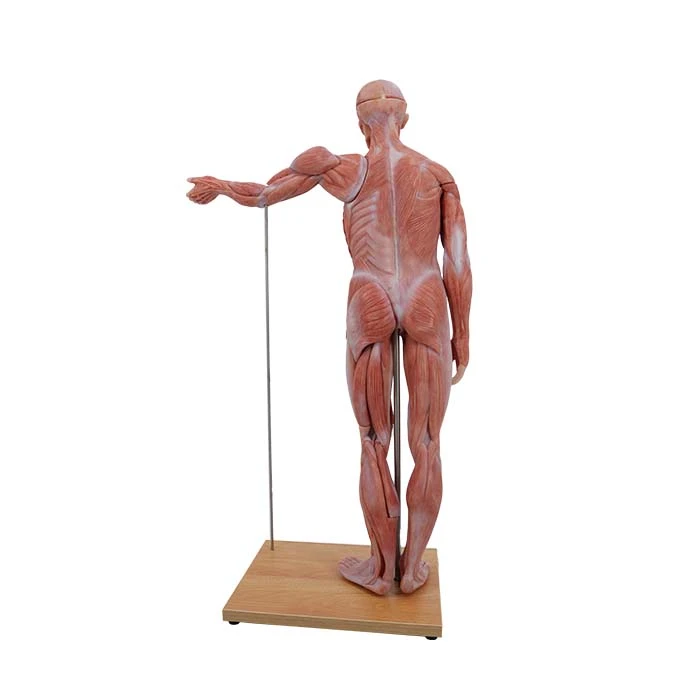
PVC is also relatively inexpensive compared to some other materials. This makes it a great option for schools and institutions with limited budgets. However, it doesn't have the same flexibility as silicone. So, if you're looking for a model for hands - on practice, PVC might not be the best choice. But for visual aids and basic anatomical demonstrations, it works just fine. A lot of our Human Body Anatomical Model that include the pharynx part are made with PVC for its cost - effectiveness and durability.
Resin
Resin is a material that offers a good balance between realism and durability. It can be molded into very detailed shapes, so you can get a pharynx model with all the fine anatomical features accurately represented. Resin models are often used in high - end medical training facilities and research institutions.
The surface of a resin pharynx model can be made to look and feel very realistic. It can have the right color and texture to give trainees a more immersive learning experience. However, resin models can be more expensive than PVC models. They also require more careful handling as they can be a bit brittle. But if you're looking for a top - notch pharynx model for in - depth training, resin is definitely worth considering. Some of our Human Torso Model that have a detailed pharynx section are crafted from high - quality resin.
Foam
Foam is a lightweight and inexpensive material. It's often used for basic pharynx models that are mainly for introductory educational purposes. Foam models are easy to handle and can be used to teach the basic structure of the pharynx to young students or those new to the field of anatomy.
However, foam models are not as durable as silicone, PVC, or resin models. They can be easily damaged if not handled carefully. They also don't have the same level of realism as the other materials. But for a quick and simple way to introduce the concept of the pharynx, foam models can be a great option.
Gel
Gel materials are sometimes used to create pharynx models with a more lifelike feel. Gel models can mimic the softness and elasticity of real tissues very well. This is especially useful for simulating certain medical procedures where the response of the tissue is important.
For example, when practicing needle insertions in the pharynx area, a gel model can provide a more accurate simulation of how the real tissue would react. But gel models can be a bit messy to work with. They need to be stored properly to prevent drying out or getting damaged. And they can be more expensive than some other materials.
Factors to Consider When Choosing a Material
When deciding which material to choose for a pharynx model, there are several factors to keep in mind.
Purpose of Use
If the model is for hands - on medical training, silicone or gel might be the best options because of their realistic feel. If it's for display and basic educational purposes, PVC or foam could be sufficient.
Budget
Your budget plays a big role. If you're on a tight budget, PVC or foam models are more affordable. But if you can afford it, resin or gel models offer a higher level of quality and realism.
Durability
If the model will be used frequently and roughly, silicone or PVC are more durable materials. Resin models can be durable too, but they need to be handled with care.
Conclusion
As a pharynx model supplier, I know that choosing the right material is crucial for getting the most out of your model. Each material has its own advantages and disadvantages, and the choice depends on your specific needs. Whether you're a medical school, a training center, or an individual interested in anatomy, I'm here to help you find the perfect pharynx model.

If you're interested in purchasing a pharynx model or have any questions about the materials and models we offer, don't hesitate to get in touch. We can discuss your requirements and find the best solution for you. Let's start a conversation and see how we can meet your needs for high - quality pharynx models.
References
- "Anatomy of the Human Pharynx" - Medical Anatomy Textbook
- "Materials for Medical Simulation Models" - Journal of Medical Education and Simulation


