Contact Us+8618838224595

banner
What is Animal Specimen?


A zoological specimen is an animal or part of an animal preserved for scientific use. Various uses are: to verify the identity of a (species), to allow study, increase public knowledge of zoology.


Why Choose Us

Our Product

The main products are plastination for human body and animal, body slices, human skeleton, embedment slices etc.

Product Application

Our software products cover classroom teaching, experimental teaching, and life science museum display system.

Production Market

Our products are widely recognized and trusted by users because of all hand-made preciously.


Our Factory

Meiwo Science is a large manufacturer appointed by National Ministry of Education and one of the large model producing factories in China, specialized in plastination technique, soft silicone anatomy models, soft silicone simulation models, embedded specimens, design and construction of life science museum, virtual simulation anatomy softwares and relative production.

  • Cow Heart Plastination
    Cow Heart Plastination

    Meiwo cow heart plastination for agriculture and animal husbandry has been finshed, clearly shows aorta, pulmonary trunk, left auricle, right auricle, left atrium, right atrium.

  • Plastinated Cat Specimen
    Plastinated Cat Specimen

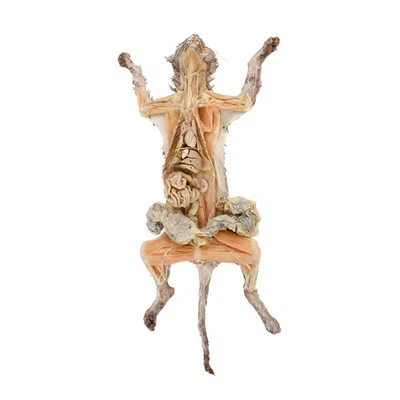
    Meiwo plastinated cat specimen is the most commonly used and classic small mammal anatomical model animals in veterinary teaching. Plastinated specimens bring real, safe, and...

  • Head And Neck Of Horse Specimen
    Head And Neck Of Horse Specimen

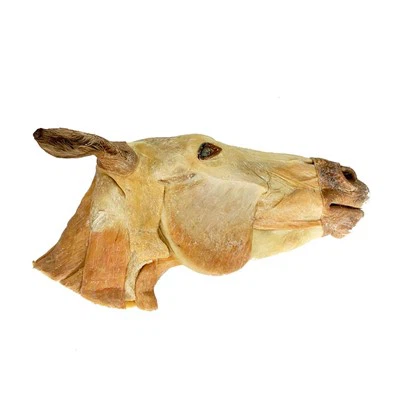
    Median sagittal section of head neck of horse specimen is a core teaching tool for veterinary anatomy education. It can intuitively, three-dimensionally, and persistently...

  • Horse Body Plastination
    Horse Body Plastination

    Horse body plastination can clearly demonstrate the internal structure of the horse's body, providing students with realistic and intuitive teaching materials.,Type: A-035,...

  • Cow Body Plastinated Specimen
    Cow Body Plastinated Specimen

    Cow body plastinated specimen for veterinary science museum has realistic shape and accurate anatomical structure. Cow body plastinated specimen is window into the mysteries of...

  • Head And Neck Of Cow Plastinated Specimen
    Head And Neck Of Cow Plastinated Specimen

    Head and neck of cow plastinated specimen not only show the appearance of cow head and neck, but also clearly show the internal structure of median section of cow head and neck.

  • Dog Plastination Specimen
    Dog Plastination Specimen

    Dog plastination specimen for veterinary school of medicine clearly shows superficial muscles of dog whole body, plastinated dog real cadaver, with the base support.

  • Horse Anatomy Model
    Horse Anatomy Model

    Plastinated horse anatomy model,horse plastination specimen,Type: A-035, Material: Silicone rubber

  • Equine Anatomy Specimens
    Equine Anatomy Specimens

    Median sagittal section of head of equine anatomy specimens for veterinary medicine as teaching aids was dissected by Meiwo veterinary technical anatomy teachers. Accurate...

  • Plastinated Cats
    Plastinated Cats

    Meiwo plastinated cats for veterinary education include male and female cat,the plastinated cats was dissected by professional veterinary anatomy teacher, clearly shows...

  • Plastinated Animal
    Plastinated Animal

    Plastinated animal of horse for veterinary education and science museum as exhibits was dissected by professional veterinary anatomy teacher from Meiwo, clearly shows the whole...

  • Anatomical Dog Skeleton
    Anatomical Dog Skeleton

    Anatomical dog skeleton for college of veterinary medicine as teaching models according to the natural state to show the bone shape and position.

First Prev 1234 Next Last 1/4

Recommended

Why are Animal Specimen important?


At the most fundamental level, they provide evidence that a species occurred at a particular time and place. This allows us to examine geographic changes over time in animal populations, species and communities and to relate those patterns to natural or human-induced changes in the environment (e.g. climate change, landscape alteration, etc.).

Specimens and associated data (e.g. field notes of habitat, recordings of song, reproductive and age information, etc.) provide basic information on natural history traits of animals.

Museum specimens provide important baseline information for studies of conservation and emerging diseases ( e.g. hantavirus, West Nile Virus) by looking at how they change over time.


How Do Museums Preserve Reptile Specimens?
Torso Model Digestive System
Neuroanatomy Brain Model
Coronary Artery Heart Model

Our institution houses a selection of 23,260 reptile and amphibian specimens in our fluid-preserved collection. Historically, “wet” collections were used to preserve whole specimens without compromising their physical integrity. Beginning in the 17th century, scientists used solutions of formaldehyde and ethanol to preserve specimens submerged in glass jars. The study of fluid-preserved collections is critical in many scientific studies. For instance, specimens have been used to research certain diseases, their effects, and way of spreading. Amazingly, scientists have been able to detect pathogens on the skin of frog specimens collected as early as 1888!

It is vital that scientists continue to collect and preserve animals in museums. For this reason, the Chicago Academy of Sciences / Peggy Notebaert Nature Museum and other scientific institutions work to undertake new techniques for more sustainable collection practices. In the United States, Federal and State laws govern how, when, and for what purpose scientists collect specimens. Often, modern collectors will choose to use non-lethal techniques to study species and rely on digital technologies, like shared databases and CT scanning, that bring new light to fluid-preserved collections and promote sustainability.


Fluid preservation techniques
Bird and mammal specimens are commonly stuffed and dried, using a process known as taxidermy. With this preparation method, only the skin and skull, or maybe the entire skeleton, will be kept. Small tissue samples may be preserved, but not the whole animal. On the other hand, reptile and amphibian specimens are typically preserved in glass jars, immersed in a 70% to 95% ethanol solution. This technique enables the entire specimen to be preserved — the skin, skeleton, muscle tissue, organs, even stomach contents — and allows scientists to study them over many decades after their collection.

Many types of specimens may be preserved in an ethanol solution. Most of our herpetology collection (reptile and amphibian specimens) are preserved this way, as well as most of the arachnids (spiders), fish, some mollusks, and even some mammals. If there are such advantages to preserving a specimen in its entirety, why aren’t all specimens preserved this way? To preserve a specimen long term, it must first be injected with a fixative chemical, like formaldehyde. This sets the specimen to help prevent deterioration. However, that chemical has been found to disrupt accurate DNA analysis of those specimens. The natural history collections community is working to find ways to enable reliable DNA extraction and alternatives for preservation.

Proper labeling is also essential for tracing the specimen back to its very origin. Each specimen is labeled with an ethanol-resistant tag that contains its catalogue number, and when and where the specimen was collected. Sometimes, even the name of the scientist who collected the specimen is recorded here.


Collecting sustainably
Our living environment is a delicate system of interconnections. Human activity, including past collecting practices, can dangerously impact nature and its structure. In the past, early naturalists would collect indiscriminately and often destructively. While their work was foundational to the museum collections we use today, contemporary scientists support best practices for more sustainable collecting. In the United States, Federal and State laws strictly regulate the legal collection of specimens including reptiles and amphibians. Sustainable collecting practices rely on detailed knowledge of a species’ ecology and conservation status. This way, scientists try to minimize negative impacts to wildlife populations.


Innovations in the field of preservation
To extend the life of fluid-preserved collections and make their important data more accessible, scientific institutions are finding innovative ways of digitizing and sharing specimen data. Museums produce high resolution images of fluid-preserved specimens using squeeze boxes. These tools allow the specimen to remain submerged in ethanol when photographed to avoid physical damage. Scientists share specimen information through online databases, which may be used by researchers all around the world. Other innovative practices include using X-rays and CT scanning to create highly detailed 3D models of fluid-preserved specimens.


Other preservation methods
Reptiles and amphibians can be preserved in other ways. Preparing and preserving the specimen’s skeleton allows examination of the bones of the animal. A turtle’s shell is part of its skeleton — examining the inside of the shell shows how the vertebrae and ribs actually make up the framework of the animal’s shell.

To show what an animal looked like in life with a specimen, a mounted, life-like specimen must be created. Reptiles such as snakes, turtles, and alligators, can be taxidermied. To create a mounted specimen, the taxidermist needs to understand the skeletal and muscular system of the specific type of animal, be able to reconstruct the inner framework of the mount, and also be familiar with the behavior of the type of animal they are working with in order to create a life-like specimen. Taxidermists usually develop a specialty in one group of animals; the more they learn about mammal, bird, or reptile bodies and behaviors, the more effective they are at creating a mounted specimen of that group.


Working Principle Of Animal Specimens


Tissue specimen: Including animal organs, muscle, bone and other tissue samples. These samples are often cut, stained, and used for pathology studies or disease diagnosis.


Cell specimen: Icludes cells obtained from animals, such as blood cells, tissue cells, etc. These cells can be used for cytological research, pathological analysis and so on.


Body fluid specimen: Including blood, urine, cerebrospinal fluid and other body fluid samples. These specimens can be used for the detection of biochemical parameters of animals, detection of pathogens, etc.


Genetic material specimen: A sample of genetic material such as DNA and RNA of an animal. These specimens can be used for genetic research, genetic diagnosis, etc.


Frozen specimens: Sometimes it is necessary to preserve samples for a long time in animal medical research, including frozen preserved tissues, cells and other specimens.


Pathogen specimens: Include pathogens isolated from animals, such as bacteria, viruses, fungi, etc. These specimens are used to study infectious diseases in animals and to develop related treatments.


In the use of these specimens, ethical guidelines and corresponding regulations need to be followed to ensure that the collection and use of samples are legal and ethical. In addition, the collection and processing of specimens need to be carried out in strict accordance with the relevant laboratory operating procedures to ensure the accuracy and repeatability of the results.


Animal plastinated specimens are different from these specimens, the animal plastinated specimens are made of silicone rubber, they are nontoxic, odorless, duarable and can be touched directly when teach and study. Meiwo is a leader manufacturer who supplies animal plastinated specimens, soft silicone animal anatomy models for veterinary education.


How to Handle Preserved Animal Specimen


Preservatives prevent mold and bacterial growth on and in dissection specimens while maintaining tissue consistency similar to that of the living organism. Specimens are rinsed and packaged in non-toxic solutions such as a 2% propylene glycol and 98% water solution with less than 0.6% formalin.


The presence of formaldehyde in specimens has been minimized by the supplier to be reportedly <0.1 parts per million. Formaldehyde is an identified carcinogen. To protect yourself and your household, prudence demands that you avoid direct contact with any residual formaldehyde by following the safety precautions below.


Wear safety glasses. Safety glasses will prevent the possibility of chemicals splashing into your eyes. These precautions also lessen any eye irritation from formalin vapors. If any preservative does get in the eye, rinse the eye thoroughly with water. Wear prescription glasses; do not wear contact lenses.


Wear nitrile or latex safety gloves and a lab coat or apron. Wearing gloves while dissecting or otherwise working with specimens, especially those preserved in formalin, is one of the most important of these precautions and is strongly recommended. If your skin contacts formalin, you should wash your hands (or other contact areas) with soap and water.


Work in a well-ventilated area; open a window and use a fan if needed. Avoid performing dissections in small, confined areas with closed doors.

Do not eat, drink, or store food and beverages in the dissection area.


Always remove used gloves before touching or using water faucet handles, door knobs, cabinet or drawer handles, or other general surfaces. This is a best practice at all times.


In general, gloves, lab coats, and aprons should remain in the dissection area during the dissection (remove them before going to the bathroom, another room, etc.).


How To Make Animal Specimens
 

The preparation of animal specimens is a complex process involving multiple steps and techniques. The following is an overview of the basic animal specimen preparation process

01/

Prepare materials‌
The required materials include animal specimens, fixatives (such as formalin), degreasing agents (such as gasoline or hydrogen peroxide), chemical reagents (such as sodium hydroxide), tools (such as scalpels, tweezers, steel chains, etc.).

02/

Collection and processing‌
Select appropriate animal specimens and ensure that they are fresh or properly processed. For small animals such as insects, dissection can be performed directly; for larger animals, preliminary processing is required first, such as removing the internal organs.

03/

‌Fixation‌
Immerse animal specimens in a fixative (such as formalin) to prevent decay and preserve their morphology. The fixation time depends on the size and type of the specimen, usually taking several days to several weeks.

04/

‌Dissection and cleaning‌
Dissect animal specimens and remove unnecessary tissues and organs. For small animals such as insects, dissection can be performed directly; for larger animals, specialized dissection tools may be required.

05/

‌Degreasing and bleaching‌
Use a degreasing agent (such as gasoline) to remove fat from the specimen to prevent the specimen from yellowing or mold. Then use a bleaching agent (such as hydrogen peroxide) for bleaching to enhance the whiteness and preservation time of the specimen.

06/

Assembly and shaping‌
Use materials such as steel chains to build the skeleton, and then use materials such as clay and plaster to fill in details such as fur, horns, claws, etc. to restore the original form of the animal. For small animals such as insects, models can be made to simulate their appearance.

07/

‌Preservation‌
Place the prepared specimen in a dry and ventilated environment to prevent mold. Auxiliary materials such as desiccants can be used to keep the specimen dry.

08/

Post-processing‌
If needed, the specimen can be colored, painted, etc. to enhance its ornamental value. For some special types of specimens, special protective treatment may also be required.


Our Factory
 

Meiwo science software products cover classroom teaching, experimental teaching, and life science museum display system. Specifically, there are multiple sets of medical software such as comprehensive teaching platform for human anatomy, digital human anatomy system, 3D specimen database query system, human body nine interactive display system, VR human anatomy, and assembly of human organs, etc.
Meiwo adopts the construction concept of "intelligent life science museum", which integrates the intelligent management of the exhibition hall, the professional display of specimens and the scientific display of medical knowledge.The exhibition hall will provide a high-tech, intelligent and experiential interactive learning platform with the combination of human experimental teaching, popular science education, clinical application, humanistic care, cultural inheritance, medicine and art, etc. 


plastinated animal specimen


FAQ

Q: How to make an animal specimen?

A: Specimens are first prepared by being injected and soaked in a fixative such as formalin or a high percentage ethanol. They are then bathed or rinsed before being placed into a jar containing a mixture of 70% alcohol and 30% water.

Q: Why do we collect animal specimen?

A: Provide basic information on natural history traits of animals. Museum specimens provide important baseline information for studies of conservation and emerging diseases ( e.g. hantavirus, West Nile Virus) by looking at how they change over time.

Q: Where do animal specimens come from?

A: Most animal species used in dissection are predominantly taken from the wild. These include frogs, spiny dogfish (sharks), mudpuppies and other salamanders, birds, snakes, turtles, fish, and most invertebrates. Other animals used in dissection, like fetal pigs and mink, are acquired from slaughterhouses and fur farms.

Q: What does exempt animal specimen mean?

A: “Exempt human or animal specimen” means a human or animal sample (including, but not limited to, secreta, excreta, blood and its components, tissue and tissue fluids, and body parts) transported for routine testing not related to the diagnosis of an infectious disease.

Q: What is an example of an animal specimen?

A: An example would be a vertebrate with an alcohol-preserved skin and viscera, a cleared and stained head, the post-cranial dried skeleton, histological, glass slides of various organs, and frozen tissue samples. This specimen could also be a voucher for a publication, or photographs and audiotape.

Q: Is an animal a specimen?

A: The term 'specimen' refers to any object (animal, plant, or non-living) that is preserved for scientific use.

Q: What is specimen collection in animals?

A: Samples from live animals may include collections of blood, hair, feathers, feces, or ectoparasites, or samples obtained by swabbing lesions or orifices. Photographs and videos are useful additions for recording field and clinical signs and conveying conditions at the site.

Q: What is an exempt animal specimen?

A: “Exempt human or animal specimen” means a human or animal sample (including, but not limited to, secreta, excreta, blood and its components, tissue and tissue fluids, and body parts) transported for routine testing not related to the diagnosis of an infectious disease.

Q: Does specimen mean species?

A: A specimen is a single plant or animal which is an example of a particular species or type and is examined by scientists. 200,000 specimens of fungus are kept at the Komarov Botanical Institute.

Q: How are animal specimens preserved?

A: Bird and mammal specimens are commonly stuffed and dried, using a process known as taxidermy. With this preparation method, only the skin and skull, or maybe the entire skeleton, will be kept. Small tissue samples may be preserved, but not the whole animal.

Q: Where do animal specimens come from?

A: Most animal species used in dissection are predominantly taken from the wild. These include frogs, spiny dogfish (sharks), mudpuppies and other salamanders, birds, snakes, turtles, fish, and most invertebrates. Other animals used in dissection, like fetal pigs and mink, are acquired from slaughterhouses and fur farms.

Q: Why do we collect animal specimen?

A: Provide basic information on natural history traits of animals. Museum specimens provide important baseline information for studies of conservation and emerging diseases ( e.g. hantavirus, West Nile Virus) by looking at how they change over time.

Q: What is the meaning of animal specimens?

A: A zoological specimen is an animal or part of an animal preserved for scientific use. Various uses are: to verify the identity of a (species), to allow study, increase public knowledge of zoology.

Q: What are the methods of collecting animal specimens?

A: Collection techniques are divided into two, namely wet collection and dry collection. Dry collection is done for animals such as mammals, amphibians, and aves, while the wet collection is used for the reptile and Pisces classes. turn off objects, fixation and preservation.

Q: Why do we collect animal specimen?

A: Provide basic information on natural history traits of animals. Museum specimens provide important baseline information for studies of conservation and emerging diseases ( e.g. hantavirus, West Nile Virus) by looking at how they change over time.

Q: What is specimen collection in animals?

A: Samples from live animals may include collections of blood, hair, feathers, feces, or ectoparasites, or samples obtained by swabbing lesions or orifices. Photographs and videos are useful additions for recording field and clinical signs and conveying conditions at the site.

Q: How do you collect animal samples?

A: Preparation of Samples from Animals for Serologic Testing
The acute sample should be collected early in the course of the disease and frozen. The convalescent sample should be collected 10–14 days later, and both samples should be forwarded to the laboratory at the same time.

Q: How do we sample animals?

A: Small mammals are often sampled using traps of various forms (Figure 8.6). Live traps are often used as they are suitable for mark-recapture estimates of population size, or live or kill traps can be used to estimate catch per unit effort estimates of relative abundance.

Q: Why is animal sampling important?

A: Controlling Potential Variables. Animal studies conducted in the laboratory allow scientists to control potentially confounding factors that might affect the outcome of the experiments. This includes factors like temperature, humidity, light, diet, or medications.

Q: How do you make an animal specimen?

A: Specimens are first prepared by being injected and soaked in a fixative such as formalin or a high percentage ethanol. They are then bathed or rinsed before being placed into a jar containing a mixture of 70% alcohol and 30% water.
We're well-known as one of the leading animal specimen manufacturers and suppliers in China, specialized in providing various animal & human body specimens. Welcome to buy high quality animal specimen for sale here from our factory. Plastination Rabbit specimens, Pig Real Animal Skeletons, animal skulls for sale cheap