

Making a flexible silicone model might seem like a complex task, but with the right steps and materials, it's totally doable. As a silicone model supplier, I've had my fair share of experience in this area, and I'm excited to share the process with you.
Getting the Right Materials
First things first, you gotta gather all the necessary materials. You'll need silicone rubber, which comes in different types like platinum - cured and tin - cured. Platinum - cured silicone is generally more expensive but offers better properties like high tear strength, low shrinkage, and long - term flexibility. Tin - cured silicone is more budget - friendly and works well for less demanding projects.
You'll also need a mold release agent. This helps the silicone come out of the mold easily without sticking. There are various types available, such as silicone - based or wax - based mold release agents. Other materials include a mixing container, a stir stick, and a model or object to make a mold of.
Preparing the Model
If you're making a mold of an existing object, clean it thoroughly. Any dirt, dust, or grease on the object can affect the quality of the mold. You can use a mild detergent and water to clean it, and then dry it completely.
Once it's clean, you might want to add some texture or details to the object if you want those features to be replicated in the final silicone model. For example, if you're making a Female Organ Model, you may need to ensure that all the anatomical details are clear and well - defined.
Making the Mold
Now, it's time to make the mold. First, choose a suitable container to hold the mold. It should be big enough to accommodate the object you're making a mold of with some extra space around it.
Mix the silicone rubber according to the manufacturer's instructions. Usually, you'll have a base and a catalyst that need to be mixed in a specific ratio. Use a clean mixing container and stir the two components thoroughly. Make sure there are no air bubbles in the mixture. You can use a vacuum chamber to remove any trapped air if you have one.
Apply a thin layer of the mold release agent to the object you're making a mold of. This will prevent the silicone from sticking to the object. Then, pour the mixed silicone rubber into the container around the object. Make sure the object is completely submerged in the silicone.
Let the silicone cure. The curing time depends on the type of silicone you're using and the environmental conditions. It can range from a few hours to a couple of days. Once it's cured, carefully remove the object from the mold. You should now have a perfect negative of the object in the silicone mold.
Casting the Silicone Model
After you've got the mold, it's time to cast the silicone model. Again, mix the silicone rubber as per the instructions. You can add color pigments at this stage if you want a colored model. For example, if you're making a Silicone Anatomy Model, you might want to use different colors to represent different tissues.
Pour the mixed silicone into the mold. Try to pour it slowly to avoid trapping air bubbles. You can also tap the mold gently on a surface to help the air bubbles rise to the top.
Let the silicone cure in the mold. Just like before, the curing time varies. Once it's fully cured, carefully remove the silicone model from the mold. You may need to use some tools like a small knife or spatula to gently pry it out, but be careful not to damage the model.

Finishing Touches
After removing the model from the mold, you may need to do some finishing work. Trim any excess silicone around the edges of the model. You can use a sharp knife or scissors for this.
If there are any air bubbles or imperfections on the surface of the model, you can sand them down gently with fine - grit sandpaper. Then, you can apply a clear coat or polish to give the model a smooth and shiny finish.
Quality Control
As a supplier, quality control is super important. Check the model for any defects, such as cracks, uneven surfaces, or missing details. Make sure the flexibility of the model meets the required standards. You can test the flexibility by gently bending and stretching the model. If it breaks or shows signs of excessive wear easily, it might need to be remade.
Tips and Tricks
- Temperature and Humidity: Keep an eye on the temperature and humidity during the mixing and curing process. High humidity can cause issues with the curing of some types of silicone.
- Mixing: Make sure to mix the silicone thoroughly. Incomplete mixing can lead to uneven curing and a weaker model.
- Safety: Wear gloves and a mask when working with silicone rubber and other chemicals. Some of these materials can be harmful if they come into contact with your skin or if you inhale their fumes.
Applications of Flexible Silicone Models
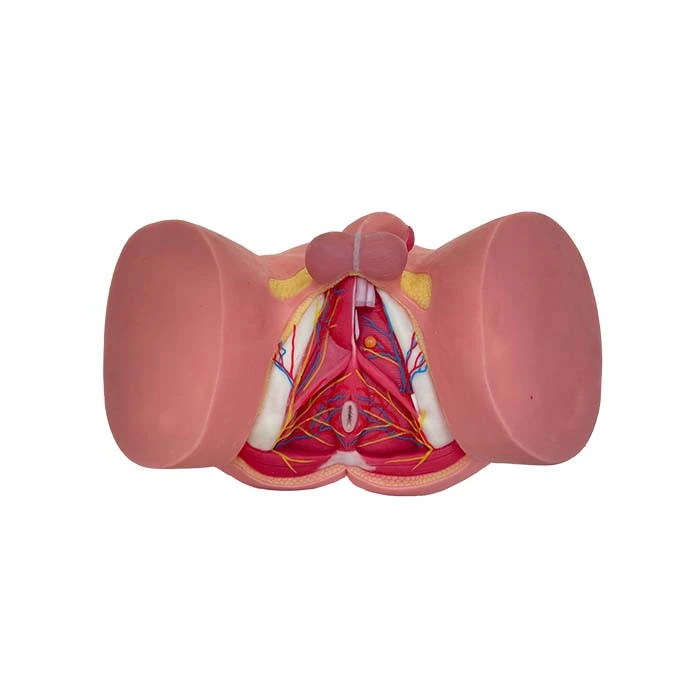
Flexible silicone models have a wide range of applications. In the medical field, they're used for training purposes. For example, the Male Pelvic Floor Model can be used by medical students to learn about the male pelvic anatomy and practice various procedures.
In the art and craft industry, silicone models can be used to create unique sculptures and decorative items. They can also be used in the toy industry to make soft and flexible toys.
Why Choose Our Silicone Models
As a silicone model supplier, we take pride in providing high - quality, flexible silicone models. Our models are made with the best materials and the latest manufacturing techniques. We offer a wide range of models, from anatomical models to custom - made designs.
If you're interested in purchasing our silicone models or have any questions about the manufacturing process, feel free to reach out to us. We're always happy to discuss your needs and provide you with the best solutions. Whether you're a medical institution, an artist, or a toy manufacturer, we can work with you to create the perfect silicone model for your requirements.
References
- Manufacturer's instructions for silicone rubber products.
- Industry standards for silicone model manufacturing.
So, if you're in the market for high - quality silicone models, don't hesitate to get in touch with us for a procurement discussion. We're looking forward to working with you!


